
Moving Towards Opportunity: Why Green Mobility Can Become a Pathway to Self-Reliance for Refugees and Host Communities Details
Moving Towards Opportunity: Why Green Mobility Can Become a Pathway to Self-Reliance for Refugees and Host Communities
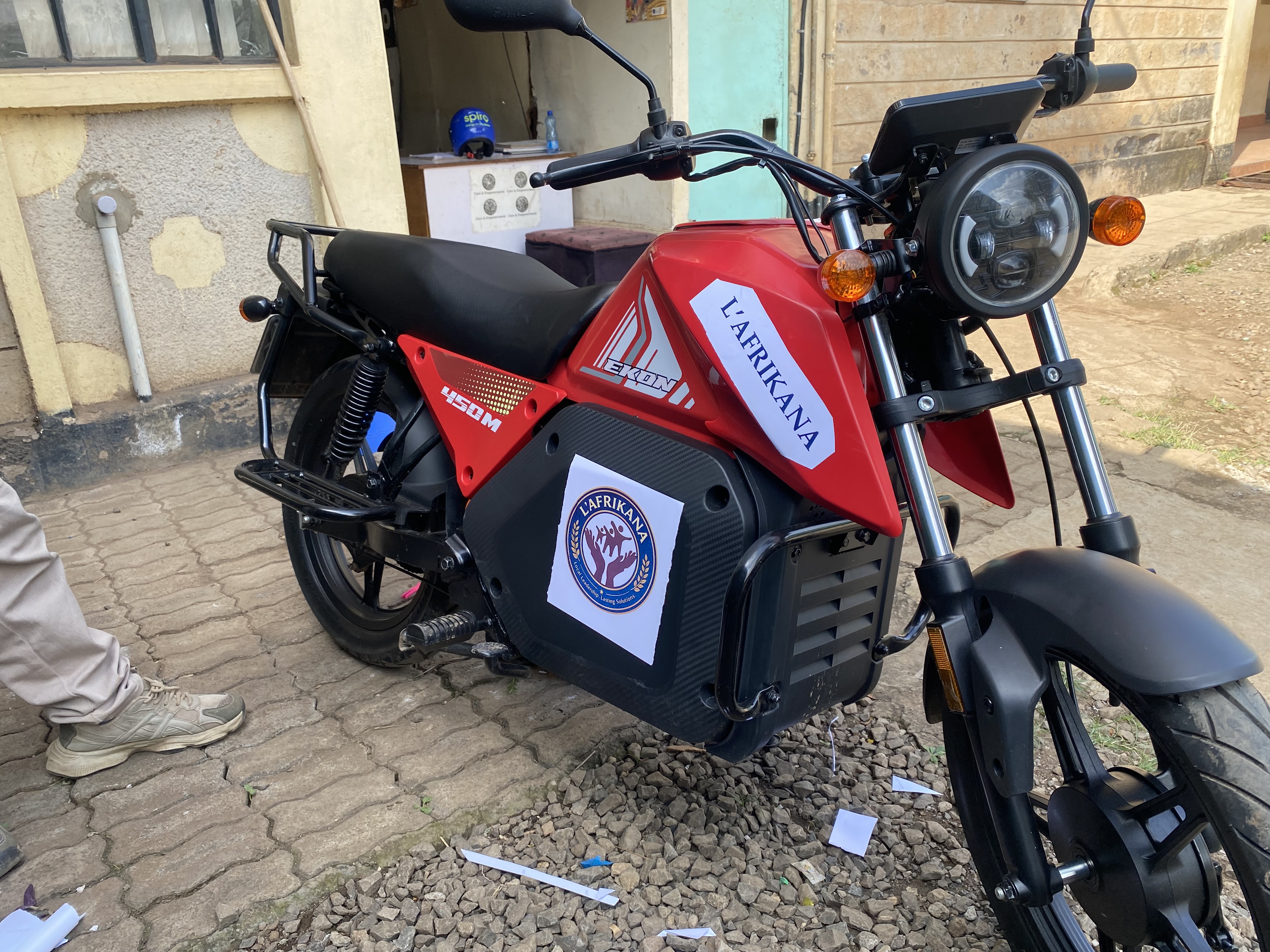
For many entrepreneurs, mobility is more than a way of getting from one place to another. It is a productive asset that determines how easily they can reach customers, deliver goods, access markets and earn an income. For refugee and low-income entrepreneurs in Kenya, however, the cost of transport can consume a significant share of daily earnings and limit the ability to grow a small business. Access to a bicycle, electric bicycle or other appropriate mobility asset can therefore make a meaningful difference. At L’Afrikana, we are championing a community-centred approach to green mobility that explores how asset financing can help refugees and host community entrepreneurs acquire the tools they need to work, earn and build sustainable livelihoods. The idea is simple: when people have access to the right productive assets, they are better positioned to participate in the economy with dignity and greater independence.
L’Afrikana’s Green Mobility Asset Financing initiative builds on our broader commitment to financial inclusion and refugee-led economic solutions. Through our work with underserved entrepreneurs, including the LAFRICOOP financing platform, we have seen that lack of access to affordable capital remains one of the biggest barriers to business growth. Our green mobility approach seeks to address this gap by connecting responsible financing with productive mobility assets. Rather than treating a bicycle or electric mobility asset simply as transport equipment, we see it as an economic tool that can support delivery businesses, small traders, service providers, workers and other entrepreneurs whose income depends on mobility. The model can combine asset financing with financial literacy, business support, credit profiling and community-based accountability, creating a pathway through which entrepreneurs can use the asset to generate income, build a repayment history and gradually strengthen their financial identity. By bringing refugees and host communities into the same economic opportunity, the initiative also has the potential to strengthen social cohesion while contributing to cleaner and more sustainable urban mobility.
The opportunity goes beyond putting more bicycles or electric mobility assets on the road. L’Afrikana sees the potential to build a sustainable financing ecosystem around productive mobility, connecting entrepreneurs with affordable assets, financial services, business support, markets and private-sector partners. Strategic investment could help us test and strengthen the model, expand access to mobility assets, improve our credit and data systems, provide financial and enterprise support, and generate evidence on how green mobility can contribute to income generation, employment, financial inclusion and climate action. For donors, impact investors, financial institutions, mobility companies and development partners, this represents an opportunity to invest at the intersection of refugee inclusion, entrepreneurship and the green transition. We are seeking partners who can help turn this emerging community-led approach into a practical and scalable solution. At L’Afrikana, we believe sustainable development begins by recognizing the potential that already exists within communities and providing the capital, systems and partnerships needed to unlock it. Local Leadership. Lasting Solutions.
-
Call Us
-
Email
-
